•  
Pope Leo XIV Visit To Turkiye - Day 3

Pope Leo XIV Visit To Turkiye - Day 3

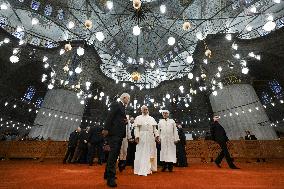
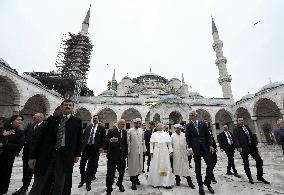
Pope Leo XIV visits the Sultan Ahmed Mosque, also known as the ‘Blue Mosque’ in Istanbul, Turkey on November 29, 2025 on the third day of the Pope’s Apostolic Journey to Turkey. This mosque was completed in 1617 on part of the site of the Great Palace of Constantinople. Pope Leo XIV becomes the third pope to visit the Blue Mosque, following in the footsteps of his immediate predecessors Francis (in 2014) and Benedict XVI (in 2006). Photo by (EV) Vatican Media/ABACAPRESS.COM

  •  
Pope Leo XIV Visit To Turkiye - Day 3

Pope Leo XIV Visit To Turkiye - Day 3

Pope Leo XIV visits the Sultan Ahmed Mosque, also known as the ‘Blue Mosque’ in Istanbul, Turkey on November 29, 2025 on the third day of the Pope’s Apostolic Journey to Turkey. This mosque was completed in 1617 on part of the site of the Great Palace of Constantinople. Pope Leo XIV becomes the third pope to visit the Blue Mosque, following in the footsteps of his immediate predecessors Francis (in 2014) and Benedict XVI (in 2006). Photo by (EV) Vatican Media/ABACAPRESS.COM

  •  
Pope Leo XIV Visit To Turkiye - Day 3

Pope Leo XIV Visit To Turkiye - Day 3

Pope Leo XIV visits the Sultan Ahmed Mosque, also known as the ‘Blue Mosque’ in Istanbul, Turkey on November 29, 2025 on the third day of the Pope’s Apostolic Journey to Turkey. This mosque was completed in 1617 on part of the site of the Great Palace of Constantinople. Pope Leo XIV becomes the third pope to visit the Blue Mosque, following in the footsteps of his immediate predecessors Francis (in 2014) and Benedict XVI (in 2006). Photo by (EV) Vatican Media/ABACAPRESS.COM

  •  
Pope Leo XIV Visit To Turkiye - Day 3

Pope Leo XIV Visit To Turkiye - Day 3

Pope Leo XIV visits the Sultan Ahmed Mosque, also known as the ‘Blue Mosque’ in Istanbul, Turkey on November 29, 2025 on the third day of the Pope’s Apostolic Journey to Turkey. This mosque was completed in 1617 on part of the site of the Great Palace of Constantinople. Pope Leo XIV becomes the third pope to visit the Blue Mosque, following in the footsteps of his immediate predecessors Francis (in 2014) and Benedict XVI (in 2006). Photo by (EV) Vatican Media/ABACAPRESS.COM

  •  
Pope Leo XIV Visit To Turkiye - Day 3

Pope Leo XIV Visit To Turkiye - Day 3

Pope Leo XIV visits the Sultan Ahmed Mosque, also known as the ‘Blue Mosque’ in Istanbul, Turkey on November 29, 2025 on the third day of the Pope’s Apostolic Journey to Turkey. This mosque was completed in 1617 on part of the site of the Great Palace of Constantinople. Pope Leo XIV becomes the third pope to visit the Blue Mosque, following in the footsteps of his immediate predecessors Francis (in 2014) and Benedict XVI (in 2006). Photo by (EV) Vatican Media/ABACAPRESS.COM

  •  
Pope Leo XIV Visit To Turkiye - Day 3

Pope Leo XIV Visit To Turkiye - Day 3

Pope Leo XIV visits the Sultan Ahmed Mosque, also known as the ‘Blue Mosque’ in Istanbul, Turkey on November 29, 2025 on the third day of the Pope’s Apostolic Journey to Turkey. This mosque was completed in 1617 on part of the site of the Great Palace of Constantinople. Pope Leo XIV becomes the third pope to visit the Blue Mosque, following in the footsteps of his immediate predecessors Francis (in 2014) and Benedict XVI (in 2006). Photo by (EV) Vatican Media/ABACAPRESS.COM

  •  
Pope Leo XIV Visit To Turkiye - Day 3

Pope Leo XIV Visit To Turkiye - Day 3

Pope Leo XIV visits the Sultan Ahmed Mosque, also known as the ‘Blue Mosque’ in Istanbul, Turkey on November 29, 2025 on the third day of the Pope’s Apostolic Journey to Turkey. This mosque was completed in 1617 on part of the site of the Great Palace of Constantinople. Pope Leo XIV becomes the third pope to visit the Blue Mosque, following in the footsteps of his immediate predecessors Francis (in 2014) and Benedict XVI (in 2006). Photo by (EV) Vatican Media/ABACAPRESS.COM

  •  
Tie-Dye Technique Of Bai Ethnic Group - Chin

Tie-Dye Technique Of Bai Ethnic Group - Chin

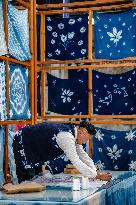
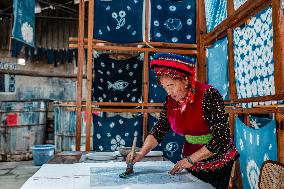
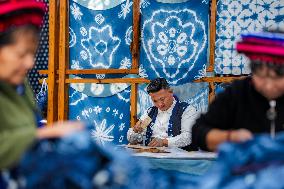
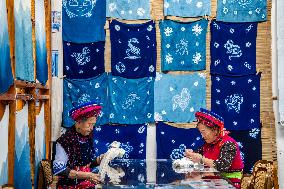
Duan Yuan, an inheritor of the tie-dye technique of Bai ethnic group, makes tie-dye designs in a dyehouse in Zhoucheng Village of Dali Bai Autonomous Prefecture, southwest China's Yunnan Province, November 21, 2025. Known as the hometown of the tie-dye technique of Bai ethnic group, Zhoucheng Village hosts over 200 households engaging in tie-dye businesses, with the number of employees exceeding 4,000. As a traditional folk technique of the Bai ethnic group, tie-dye boasts a history spanning over a thousand years and was included in the first batch of China's national intangible cultural heritage list in 2006. Tying and dyeing are the core steps in the process of making indigo tie-dye products. Artisans use needles and threads to create various patterns on the fabric, which are then dyed with plant-based dyes, resulting in blue backgrounds adorned with vivid white patterns. Photo by Hu Chao/Xinhua/ABACAPRESS.COM

  •  
Tie-Dye Technique Of Bai Ethnic Group - Chin

Tie-Dye Technique Of Bai Ethnic Group - Chin

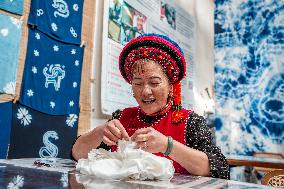
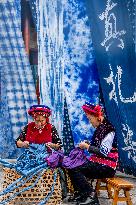
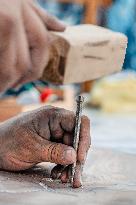
Duan Yinmei, an inheritor of the tie-dye technique of Bai ethnic group, creates knots on fabrics in a dyehouse in Zhoucheng Village of Dali Bai Autonomous Prefecture, southwest China's Yunnan Province, November 21, 2025. Known as the hometown of the tie-dye technique of Bai ethnic group, Zhoucheng Village hosts over 200 households engaging in tie-dye businesses, with the number of employees exceeding 4,000. As a traditional folk technique of the Bai ethnic group, tie-dye boasts a history spanning over a thousand years and was included in the first batch of China's national intangible cultural heritage list in 2006. Tying and dyeing are the core steps in the process of making indigo tie-dye products. Artisans use needles and threads to create various patterns on the fabric, which are then dyed with plant-based dyes, resulting in blue backgrounds adorned with vivid white patterns. Photo by Hu Chao/Xinhua/ABACAPRESS.COM

  •  
Tie-Dye Technique Of Bai Ethnic Group - Chin

Tie-Dye Technique Of Bai Ethnic Group - Chin

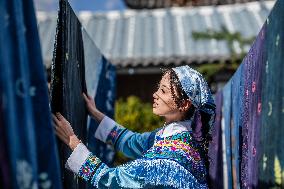
A woman experiences the tie-dye technique of Bai ethnic group in a dyehouse in Zhoucheng Village of Dali Bai Autonomous Prefecture, southwest China's Yunnan Province, November 21, 2025. Known as the hometown of the tie-dye technique of Bai ethnic group, Zhoucheng Village hosts over 200 households engaging in tie-dye businesses, with the number of employees exceeding 4,000. As a traditional folk technique of the Bai ethnic group, tie-dye boasts a history spanning over a thousand years and was included in the first batch of China's national intangible cultural heritage list in 2006. Tying and dyeing are the core steps in the process of making indigo tie-dye products. Artisans use needles and threads to create various patterns on the fabric, which are then dyed with plant-based dyes, resulting in blue backgrounds adorned with vivid white patterns. Photo by Hu Chao/Xinhua/ABACAPRESS.COM

  •  
Tie-Dye Technique Of Bai Ethnic Group - Chin

Tie-Dye Technique Of Bai Ethnic Group - Chin

Duan Yinmei, an inheritor of the tie-dye technique of Bai ethnic group, dyes patterns on fabrics in a dyehouse in Zhoucheng Village of Dali Bai Autonomous Prefecture, southwest China's Yunnan Province, November 21, 2025. Known as the hometown of the tie-dye technique of Bai ethnic group, Zhoucheng Village hosts over 200 households engaging in tie-dye businesses, with the number of employees exceeding 4,000. As a traditional folk technique of the Bai ethnic group, tie-dye boasts a history spanning over a thousand years and was included in the first batch of China's national intangible cultural heritage list in 2006. Tying and dyeing are the core steps in the process of making indigo tie-dye products. Artisans use needles and threads to create various patterns on the fabric, which are then dyed with plant-based dyes, resulting in blue backgrounds adorned with vivid white patterns. Photo by Hu Chao/Xinhua/ABACAPRESS.COM

  •  
Tie-Dye Technique Of Bai Ethnic Group - Chin

Tie-Dye Technique Of Bai Ethnic Group - Chin

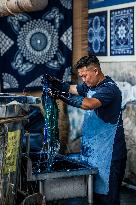
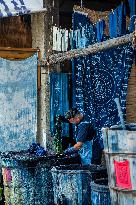
Duan Yuan, an inheritor of the tie-dye technique of Bai ethnic group, rinses dyed fabrics in a dyehouse in Zhoucheng Village of Dali Bai Autonomous Prefecture, southwest China's Yunnan Province, November 21, 2025. Known as the hometown of the tie-dye technique of Bai ethnic group, Zhoucheng Village hosts over 200 households engaging in tie-dye businesses, with the number of employees exceeding 4,000. As a traditional folk technique of the Bai ethnic group, tie-dye boasts a history spanning over a thousand years and was included in the first batch of China's national intangible cultural heritage list in 2006. Tying and dyeing are the core steps in the process of making indigo tie-dye products. Artisans use needles and threads to create various patterns on the fabric, which are then dyed with plant-based dyes, resulting in blue backgrounds adorned with vivid white patterns. Photo by Hu Chao/Xinhua/ABACAPRESS.COM

  •  
Tie-Dye Technique Of Bai Ethnic Group - Chin

Tie-Dye Technique Of Bai Ethnic Group - Chin

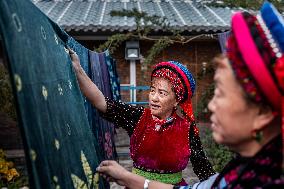
Duan Yinmei (L), an inheritor of the tie-dye technique of Bai ethnic group, and handicraftsman Duan Lilan dry tie-dye fabrics in a dyehouse in Zhoucheng Village of Dali Bai Autonomous Prefecture, southwest China's Yunnan Province, November 21, 2025. Known as the hometown of the tie-dye technique of Bai ethnic group, Zhoucheng Village hosts over 200 households engaging in tie-dye businesses, with the number of employees exceeding 4,000. As a traditional folk technique of the Bai ethnic group, tie-dye boasts a history spanning over a thousand years and was included in the first batch of China's national intangible cultural heritage list in 2006. Tying and dyeing are the core steps in the process of making indigo tie-dye products. Artisans use needles and threads to create various patterns on the fabric, which are then dyed with plant-based dyes, resulting in blue backgrounds adorned with vivid white patterns. Photo by Hu Chao/Xinhua/ABACAPRESS.COM

  •  
Tie-Dye Technique Of Bai Ethnic Group - Chin

Tie-Dye Technique Of Bai Ethnic Group - Chin

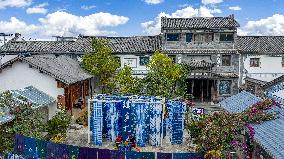
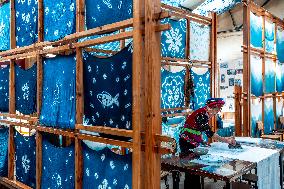
An aerial drone photo shows a scene at a dyehouse in Zhoucheng Village of Dali Bai Autonomous Prefecture, southwest China's Yunnan Province, November 21, 2025. Known as the hometown of the tie-dye technique of Bai ethnic group, Zhoucheng Village hosts over 200 households engaging in tie-dye businesses, with the number of employees exceeding 4,000. As a traditional folk technique of the Bai ethnic group, tie-dye boasts a history spanning over a thousand years and was included in the first batch of China's national intangible cultural heritage list in 2006. Tying and dyeing are the core steps in the process of making indigo tie-dye products. Artisans use needles and threads to create various patterns on the fabric, which are then dyed with plant-based dyes, resulting in blue backgrounds adorned with vivid white patterns. Photo by Hu Chao/Xinhua/ABACAPRESS.COM

  •  
Tie-Dye Technique Of Bai Ethnic Group - Chin

Tie-Dye Technique Of Bai Ethnic Group - Chin

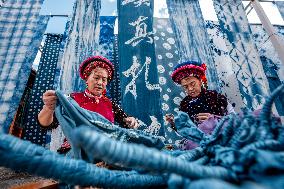
Duan Yinmei (L), an inheritor of the tie-dye technique of Bai ethnic group, and handicraftsman Duan Lilan untie knots on fabrics in a dyehouse in Zhoucheng Village of Dali Bai Autonomous Prefecture, southwest China's Yunnan Province, November 21, 2025. Known as the hometown of the tie-dye technique of Bai ethnic group, Zhoucheng Village hosts over 200 households engaging in tie-dye businesses, with the number of employees exceeding 4,000. As a traditional folk technique of the Bai ethnic group, tie-dye boasts a history spanning over a thousand years and was included in the first batch of China's national intangible cultural heritage list in 2006. Tying and dyeing are the core steps in the process of making indigo tie-dye products. Artisans use needles and threads to create various patterns on the fabric, which are then dyed with plant-based dyes, resulting in blue backgrounds adorned with vivid white patterns. Photo by Hu Chao/Xinhua/ABACAPRESS.COM

  •  
Tie-Dye Technique Of Bai Ethnic Group - Chin

Tie-Dye Technique Of Bai Ethnic Group - Chin

Duan Yinmei (L), an inheritor of the tie-dye technique of Bai ethnic group, and handicraftsman Duan Lilan untie knots on fabrics in a dyehouse in Zhoucheng Village of Dali Bai Autonomous Prefecture, southwest China's Yunnan Province, November 21, 2025. Known as the hometown of the tie-dye technique of Bai ethnic group, Zhoucheng Village hosts over 200 households engaging in tie-dye businesses, with the number of employees exceeding 4,000. As a traditional folk technique of the Bai ethnic group, tie-dye boasts a history spanning over a thousand years and was included in the first batch of China's national intangible cultural heritage list in 2006. Tying and dyeing are the core steps in the process of making indigo tie-dye products. Artisans use needles and threads to create various patterns on the fabric, which are then dyed with plant-based dyes, resulting in blue backgrounds adorned with vivid white patterns. Photo by Hu Chao/Xinhua/ABACAPRESS.COM

  •  
Tie-Dye Technique Of Bai Ethnic Group - Chin

Tie-Dye Technique Of Bai Ethnic Group - Chin

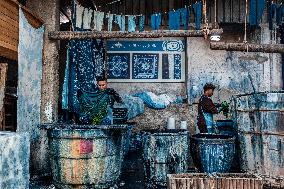
Duan Yuan (L), an inheritor of the tie-dye technique of Bai ethnic group, dyes fabrics in a dyehouse in Zhoucheng Village of Dali Bai Autonomous Prefecture, southwest China's Yunnan Province, November 21, 2025. Known as the hometown of the tie-dye technique of Bai ethnic group, Zhoucheng Village hosts over 200 households engaging in tie-dye businesses, with the number of employees exceeding 4,000. As a traditional folk technique of the Bai ethnic group, tie-dye boasts a history spanning over a thousand years and was included in the first batch of China's national intangible cultural heritage list in 2006. Tying and dyeing are the core steps in the process of making indigo tie-dye products. Artisans use needles and threads to create various patterns on the fabric, which are then dyed with plant-based dyes, resulting in blue backgrounds adorned with vivid white patterns. Photo by Hu Chao/Xinhua/ABACAPRESS.COM

  •  
Tie-Dye Technique Of Bai Ethnic Group - Chin

Tie-Dye Technique Of Bai Ethnic Group - Chin

Duan Yuan, an inheritor of the tie-dye technique of Bai ethnic group, makes tie-dye designs in a dyehouse in Zhoucheng Village of Dali Bai Autonomous Prefecture, southwest China's Yunnan Province, November 21, 2025. Known as the hometown of the tie-dye technique of Bai ethnic group, Zhoucheng Village hosts over 200 households engaging in tie-dye businesses, with the number of employees exceeding 4,000. As a traditional folk technique of the Bai ethnic group, tie-dye boasts a history spanning over a thousand years and was included in the first batch of China's national intangible cultural heritage list in 2006. Tying and dyeing are the core steps in the process of making indigo tie-dye products. Artisans use needles and threads to create various patterns on the fabric, which are then dyed with plant-based dyes, resulting in blue backgrounds adorned with vivid white patterns. Photo by Hu Chao/Xinhua/ABACAPRESS.COM

  •  
Tie-Dye Technique Of Bai Ethnic Group - Chin

Tie-Dye Technique Of Bai Ethnic Group - Chin

Duan Yuan, an inheritor of the tie-dye technique of Bai ethnic group, dyes fabrics in a dyehouse in Zhoucheng Village of Dali Bai Autonomous Prefecture, southwest China's Yunnan Province, November 21, 2025. Known as the hometown of the tie-dye technique of Bai ethnic group, Zhoucheng Village hosts over 200 households engaging in tie-dye businesses, with the number of employees exceeding 4,000. As a traditional folk technique of the Bai ethnic group, tie-dye boasts a history spanning over a thousand years and was included in the first batch of China's national intangible cultural heritage list in 2006. Tying and dyeing are the core steps in the process of making indigo tie-dye products. Artisans use needles and threads to create various patterns on the fabric, which are then dyed with plant-based dyes, resulting in blue backgrounds adorned with vivid white patterns. Photo by Hu Chao/Xinhua/ABACAPRESS.COM

  •  
Tie-Dye Technique Of Bai Ethnic Group - Chin

Tie-Dye Technique Of Bai Ethnic Group - Chin

Duan Yuan, an inheritor of the tie-dye technique of Bai ethnic group, dyes fabrics in a dyehouse in Zhoucheng Village of Dali Bai Autonomous Prefecture, southwest China's Yunnan Province, November 21, 2025. Known as the hometown of the tie-dye technique of Bai ethnic group, Zhoucheng Village hosts over 200 households engaging in tie-dye businesses, with the number of employees exceeding 4,000. As a traditional folk technique of the Bai ethnic group, tie-dye boasts a history spanning over a thousand years and was included in the first batch of China's national intangible cultural heritage list in 2006. Tying and dyeing are the core steps in the process of making indigo tie-dye products. Artisans use needles and threads to create various patterns on the fabric, which are then dyed with plant-based dyes, resulting in blue backgrounds adorned with vivid white patterns. Photo by Hu Chao/Xinhua/ABACAPRESS.COM

  •  
Tie-Dye Technique Of Bai Ethnic Group - Chin

Tie-Dye Technique Of Bai Ethnic Group - Chin

Duan Yuan, an inheritor of the tie-dye technique of Bai ethnic group, makes tie-dye designs in a dyehouse in Zhoucheng Village of Dali Bai Autonomous Prefecture, southwest China's Yunnan Province, November 21, 2025. Known as the hometown of the tie-dye technique of Bai ethnic group, Zhoucheng Village hosts over 200 households engaging in tie-dye businesses, with the number of employees exceeding 4,000. As a traditional folk technique of the Bai ethnic group, tie-dye boasts a history spanning over a thousand years and was included in the first batch of China's national intangible cultural heritage list in 2006. Tying and dyeing are the core steps in the process of making indigo tie-dye products. Artisans use needles and threads to create various patterns on the fabric, which are then dyed with plant-based dyes, resulting in blue backgrounds adorned with vivid white patterns. Photo by Hu Chao/Xinhua/ABACAPRESS.COM

  •  
Tie-Dye Technique Of Bai Ethnic Group - Chin

Tie-Dye Technique Of Bai Ethnic Group - Chin

Duan Yinmei, an inheritor of the tie-dye technique of Bai ethnic group, unties knots on fabrics in a dyehouse in Zhoucheng Village of Dali Bai Autonomous Prefecture, southwest China's Yunnan Province, November 21, 2025. Known as the hometown of the tie-dye technique of Bai ethnic group, Zhoucheng Village hosts over 200 households engaging in tie-dye businesses, with the number of employees exceeding 4,000. As a traditional folk technique of the Bai ethnic group, tie-dye boasts a history spanning over a thousand years and was included in the first batch of China's national intangible cultural heritage list in 2006. Tying and dyeing are the core steps in the process of making indigo tie-dye products. Artisans use needles and threads to create various patterns on the fabric, which are then dyed with plant-based dyes, resulting in blue backgrounds adorned with vivid white patterns. Photo by Hu Chao/Xinhua/ABACAPRESS.COM

  •  
Tie-Dye Technique Of Bai Ethnic Group - Chin

Tie-Dye Technique Of Bai Ethnic Group - Chin

Duan Yinmei, an inheritor of the tie-dye technique of Bai ethnic group, dyes patterns on fabrics in a dyehouse in Zhoucheng Village of Dali Bai Autonomous Prefecture, southwest China's Yunnan Province, November 21, 2025. Known as the hometown of the tie-dye technique of Bai ethnic group, Zhoucheng Village hosts over 200 households engaging in tie-dye businesses, with the number of employees exceeding 4,000. As a traditional folk technique of the Bai ethnic group, tie-dye boasts a history spanning over a thousand years and was included in the first batch of China's national intangible cultural heritage list in 2006. Tying and dyeing are the core steps in the process of making indigo tie-dye products. Artisans use needles and threads to create various patterns on the fabric, which are then dyed with plant-based dyes, resulting in blue backgrounds adorned with vivid white patterns. Photo by Hu Chao/Xinhua/ABACAPRESS.COM

  •  
Tie-Dye Technique Of Bai Ethnic Group - Chin

Tie-Dye Technique Of Bai Ethnic Group - Chin

Duan Yinmei (R), an inheritor of the tie-dye technique of Bai ethnic group, and handicraftsman Duan Lilan create knots on fabrics in a dyehouse in Zhoucheng Village of Dali Bai Autonomous Prefecture, southwest China's Yunnan Province, November 21, 2025. Known as the hometown of the tie-dye technique of Bai ethnic group, Zhoucheng Village hosts over 200 households engaging in tie-dye businesses, with the number of employees exceeding 4,000. As a traditional folk technique of the Bai ethnic group, tie-dye boasts a history spanning over a thousand years and was included in the first batch of China's national intangible cultural heritage list in 2006. Tying and dyeing are the core steps in the process of making indigo tie-dye products. Artisans use needles and threads to create various patterns on the fabric, which are then dyed with plant-based dyes, resulting in blue backgrounds adorned with vivid white patterns. Photo by Hu Chao/Xinhua/ABACAPRESS.COM

  •  
L'Oreal Legends Gala Benefit For Ovarian Cancer Research Fund - New York City

L'Oreal Legends Gala Benefit For Ovarian Cancer Research Fund - New York City

Diane Keaton attends the L'Oreal Legends Gala to benefit The Ovarian Cancer Research Fund held at the Museum of Natural History in New York City, NY, USA on November 8, 2006. Photo by Gregorio Binuya/ABACAPRESS.COM

  •  
L'Oreal Legends Gala Benefit For Ovarian Cancer Research Fund - New York City

L'Oreal Legends Gala Benefit For Ovarian Cancer Research Fund - New York City

Diane Keaton attends the L'Oreal Legends Gala to benefit The Ovarian Cancer Research Fund held at the Museum of Natural History in New York City, NY, USA on November 8, 2006. Photo by Gregorio Binuya/ABACAPRESS.COM

  •  
L'Oreal Legends Gala Benefit For Ovarian Cancer Research Fund - New York City

L'Oreal Legends Gala Benefit For Ovarian Cancer Research Fund - New York City

(L-R) Diane Keaton, Eva Longoria, Andie MacDowell, Beyonce, Carol J. Hamilton and Dayle Haddon attend The L'Oreal Legends Gala to benefit The Ovarian Cancer Research Fund held at the Museum of Natural History, in New York City, NY, USA on November 8, 2006. Photo by David Miller/ABACAPRESS.COM

  •  
L'Oreal Legends Gala Benefit For Ovarian Cancer Research Fund - New York City

L'Oreal Legends Gala Benefit For Ovarian Cancer Research Fund - New York City

Diane Keaton attends the L'Oreal Legends Gala to benefit The Ovarian Cancer Research Fund held at the Museum of Natural History in New York City, NY, USA on November 8, 2006. Photo by Gregorio Binuya/ABACAPRESS.COM

  •  
Several Migrants Arrive In El Hierro

Several Migrants Arrive In El Hierro

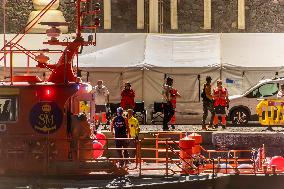
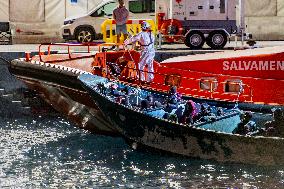
Several migrants are attended by emergency services upon arrival at the port of La Restinga de El Hierro, on November 23, 2024, in El Hierro, Santa Cruz de Tenerife, Tenerife, Tenerife, Canary Islands, Spain. The Salvamar Acrux has transferred the 44 people traveling on the vessel that had left Mauritania to the port of La Restinga. Among the people who have been assisted are 8 women and 2 minors, one of them a young girl. The government of the Canary Islands is asking for more means to assist people arriving to the archipelago for what is considered the highest number of migrant arrivals since 2006. Since January more than 40,000 people have arrived to the islands. Photo by Antonio Sempere/Europa Press/ABACAPRESS.COM

  •  
Several Migrants Arrive In El Hierro

Several Migrants Arrive In El Hierro

Several migrants are attended by emergency services upon arrival at the port of La Restinga de El Hierro, on November 23, 2024, in El Hierro, Santa Cruz de Tenerife, Tenerife, Tenerife, Canary Islands, Spain. The Salvamar Acrux has transferred the 44 people traveling on the vessel that had left Mauritania to the port of La Restinga. Among the people who have been assisted are 8 women and 2 minors, one of them a young girl. The government of the Canary Islands is asking for more means to assist people arriving to the archipelago for what is considered the highest number of migrant arrivals since 2006. Since January more than 40,000 people have arrived to the islands. Photo by Antonio Sempere/Europa Press/ABACAPRESS.COM

  •  
Several Migrants Arrive In El Hierro

Several Migrants Arrive In El Hierro

Several migrants are attended by emergency services upon arrival at the port of La Restinga de El Hierro, on November 23, 2024, in El Hierro, Santa Cruz de Tenerife, Tenerife, Tenerife, Canary Islands, Spain. The Salvamar Acrux has transferred the 44 people traveling on the vessel that had left Mauritania to the port of La Restinga. Among the people who have been assisted are 8 women and 2 minors, one of them a young girl. The government of the Canary Islands is asking for more means to assist people arriving to the archipelago for what is considered the highest number of migrant arrivals since 2006. Since January more than 40,000 people have arrived to the islands. Photo by Antonio Sempere/Europa Press/ABACAPRESS.COM

  •  
Several Migrants Arrive In El Hierro

Several Migrants Arrive In El Hierro

Several migrants are attended by emergency services upon arrival at the port of La Restinga de El Hierro, on November 23, 2024, in El Hierro, Santa Cruz de Tenerife, Tenerife, Tenerife, Canary Islands, Spain. The Salvamar Acrux has transferred the 44 people traveling on the vessel that had left Mauritania to the port of La Restinga. Among the people who have been assisted are 8 women and 2 minors, one of them a young girl. The government of the Canary Islands is asking for more means to assist people arriving to the archipelago for what is considered the highest number of migrant arrivals since 2006. Since January more than 40,000 people have arrived to the islands. Photo by Antonio Sempere/Europa Press/ABACAPRESS.COM

  •  
Several Migrants Arrive In El Hierro

Several Migrants Arrive In El Hierro

Several migrants are attended by emergency services upon arrival at the port of La Restinga de El Hierro, on November 23, 2024, in El Hierro, Santa Cruz de Tenerife, Tenerife, Tenerife, Canary Islands, Spain. The Salvamar Acrux has transferred the 44 people traveling on the vessel that had left Mauritania to the port of La Restinga. Among the people who have been assisted are 8 women and 2 minors, one of them a young girl. The government of the Canary Islands is asking for more means to assist people arriving to the archipelago for what is considered the highest number of migrant arrivals since 2006. Since January more than 40,000 people have arrived to the islands. Photo by Antonio Sempere/Europa Press/ABACAPRESS.COM

  •  
Several Migrants Arrive In El Hierro

Several Migrants Arrive In El Hierro

Several migrants are attended by emergency services upon arrival at the port of La Restinga de El Hierro, on November 23, 2024, in El Hierro, Santa Cruz de Tenerife, Tenerife, Tenerife, Canary Islands, Spain. The Salvamar Acrux has transferred the 44 people traveling on the vessel that had left Mauritania to the port of La Restinga. Among the people who have been assisted are 8 women and 2 minors, one of them a young girl. The government of the Canary Islands is asking for more means to assist people arriving to the archipelago for what is considered the highest number of migrant arrivals since 2006. Since January more than 40,000 people have arrived to the islands. Photo by Antonio Sempere/Europa Press/ABACAPRESS.COM

  •  
Several Migrants Arrive In El Hierro

Several Migrants Arrive In El Hierro

Several migrants are attended by emergency services upon arrival at the port of La Restinga de El Hierro, on November 23, 2024, in El Hierro, Santa Cruz de Tenerife, Tenerife, Tenerife, Canary Islands, Spain. The Salvamar Acrux has transferred the 44 people traveling on the vessel that had left Mauritania to the port of La Restinga. Among the people who have been assisted are 8 women and 2 minors, one of them a young girl. The government of the Canary Islands is asking for more means to assist people arriving to the archipelago for what is considered the highest number of migrant arrivals since 2006. Since January more than 40,000 people have arrived to the islands. Photo by Antonio Sempere/Europa Press/ABACAPRESS.COM

  •  
Several Migrants Arrive In El Hierro

Several Migrants Arrive In El Hierro

Several migrants are attended by emergency services upon arrival at the port of La Restinga de El Hierro, on November 23, 2024, in El Hierro, Santa Cruz de Tenerife, Tenerife, Tenerife, Canary Islands, Spain. The Salvamar Acrux has transferred the 44 people traveling on the vessel that had left Mauritania to the port of La Restinga. Among the people who have been assisted are 8 women and 2 minors, one of them a young girl. The government of the Canary Islands is asking for more means to assist people arriving to the archipelago for what is considered the highest number of migrant arrivals since 2006. Since January more than 40,000 people have arrived to the islands. Photo by Antonio Sempere/Europa Press/ABACAPRESS.COM

  •  
Files - Iran's Supreme Leader Ayatollah Ali Khamenei

Files - Iran's Supreme Leader Ayatollah Ali Khamenei

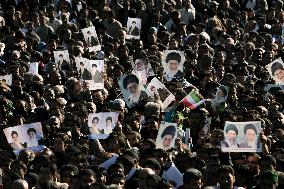
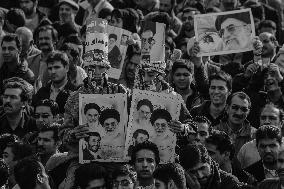
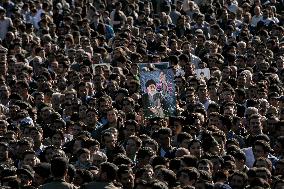
Iranian pro-government gather while holding posters of Iran's supreme leader Ayatollah Ali Khamenei to listen to his speech on November 10, 2006 in Damghan, Iran. Photo by Hossein Fatemi/MIddle East Images/ABACAPRESS.COM

  •  
Files - Iran's Supreme Leader Ayatollah Ali Khamenei

Files - Iran's Supreme Leader Ayatollah Ali Khamenei

Iranian pro-government gather while holding posters of Iran's supreme leader Ayatollah Ali Khamenei to listen to his speech on November 10, 2006 in Damghan, Iran. Photo by Hossein Fatemi/MIddle East Images/ABACAPRESS.COM

  •  
Files - Iran's Supreme Leader Ayatollah Ali Khamenei

Files - Iran's Supreme Leader Ayatollah Ali Khamenei

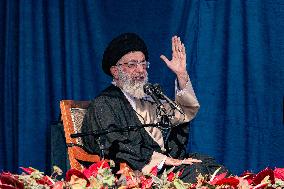
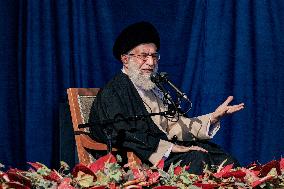
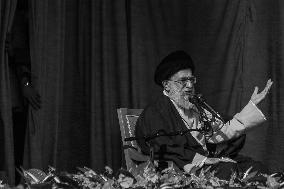
Iran's supreme leader Ayatollah Ali Khamenei delivers his speech to his supporters in Garmsar, Iran on November 12, 2006. Photo by Hossein Fatemi/MIddle East Images/ABACAPRESS.COM

  •  
Files - Iran's Supreme Leader Ayatollah Ali Khamenei

Files - Iran's Supreme Leader Ayatollah Ali Khamenei

Iran's supreme leader Ayatollah Ali Khamenei delivers his speech to his supporters in Garmsar, Iran on November 12, 2006. Photo by Hossein Fatemi/MIddle East Images/ABACAPRESS.COM

  •  
Cipriani and Deutsche Bank Concert Series - New York City

Cipriani and Deutsche Bank Concert Series - New York City

Roberto Cavalli attends the Cipriani and Deutsche Bank concert series and amfAR Benefit Auction held at Cipriani's Wall Street in New York City, NY, USA, on November 7, 2006. Photo by Dennis Van Tine/ABACAPRESS.COM

  •  
Files - Iran's Supreme Leader Ayatollah Ali Khamenei

Files - Iran's Supreme Leader Ayatollah Ali Khamenei

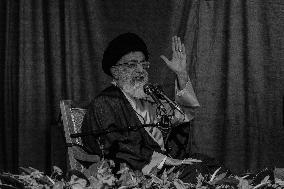
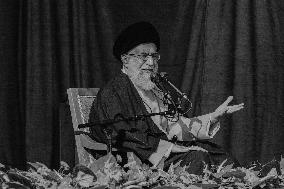
File photo dated November 12, 2006 of supreme leader Ayatollah Ali Khamenei, center, delivers his speech during a gathering of Garmsar people, in Garmsar County, Semnan province, Iran Photo by Hossein Fatemi/Middle East Images/ABACAPRESS.COM

  •  
Files - Iran's Supreme Leader Ayatollah Ali Khamenei

Files - Iran's Supreme Leader Ayatollah Ali Khamenei

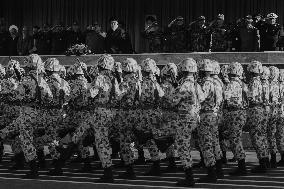
File photo dated November 11, 2006 ofIn front of Iranian Revolutionary Guards commanders, supreme leader Ayatollah Ali Khamenei, center, delivers his speech during a gathering of Basij paramilitary forces, in Semnan Photo by Hossein Fatemi/Middle East Images/ABACAPRESS.COM

  •  
Files - Iran's Supreme Leader Ayatollah Ali Khamenei

Files - Iran's Supreme Leader Ayatollah Ali Khamenei

File photo dated November 12, 2006 of supreme leader Ayatollah Ali Khamenei, center, delivers his speech during a gathering of Garmsar people, in Garmsar County, Semnan province, Iran Photo by Hossein Fatemi/Middle East Images/ABACAPRESS.COM

  •  
Files - Iran's Supreme Leader Ayatollah Ali Khamenei

Files - Iran's Supreme Leader Ayatollah Ali Khamenei

File photo dated November 12, 2006 of supreme leader Ayatollah Ali Khamenei, center, delivers his speech during a gathering of Garmsar people, in Garmsar County, Semnan province, Iran Photo by Hossein Fatemi/Middle East Images/ABACAPRESS.COM

  •  
Files - Iran's Supreme Leader Ayatollah Ali Khamenei

Files - Iran's Supreme Leader Ayatollah Ali Khamenei

File photo dated November 11, 2006 ofIn front of Iranian Revolutionary Guards commanders, supreme leader Ayatollah Ali Khamenei, center, delivers his speech during a gathering of Basij paramilitary forces, in Semnan Photo by Hossein Fatemi/Middle East Images/ABACAPRESS.COM

  •  
Files - Iran's Supreme Leader Ayatollah Ali Khamenei

Files - Iran's Supreme Leader Ayatollah Ali Khamenei

File photo dated November 12, 2006 of supreme leader Ayatollah Ali Khamenei, center, delivers his speech during a gathering of Garmsar people, in Garmsar County, Semnan province, Iran Photo by Hossein Fatemi/Middle East Images/ABACAPRESS.COM

  •  
Files - Iran's Supreme Leader Ayatollah Ali Khamenei

Files - Iran's Supreme Leader Ayatollah Ali Khamenei

File photo dated November 12, 2006 of supreme leader Ayatollah Ali Khamenei, center, delivers his speech during a gathering of Garmsar people, in Garmsar County, Semnan province, Iran Photo by Hossein Fatemi/Middle East Images/ABACAPRESS.COM

  •  
Files - Iran's Supreme Leader Ayatollah Ali Khamenei

Files - Iran's Supreme Leader Ayatollah Ali Khamenei

File photo dated November 12, 2006 of supreme leader Ayatollah Ali Khamenei, center, delivers his speech during a gathering of Garmsar people, in Garmsar County, Semnan province, Iran Photo by Hossein Fatemi/Middle East Images/ABACAPRESS.COM

  •  
Files - Iran's Supreme Leader Ayatollah Ali Khamenei

Files - Iran's Supreme Leader Ayatollah Ali Khamenei

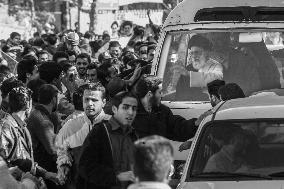
File photo dated November 11, 2006 ofIran's supreme leader Ayatollah Ali Khamenei greets people. People gathered to see supreme leader Ayatollah Ali Khamenei on his convoy. Photo by Hossein Fatemi/Middle East Images/ABACAPRESS.COM

  • Main
  • Top
  • Editorial
  • Creative
  • About Us
  • About ILG
  • Terms of use
  • Company
  • BEHIND
  • Price List
  • Single Plan
  • Monthly Plan
  • Services
  • Shooting
  • Rights Clearance
  • Support
  • FAQ
  • How To Buy
  • Contact Us
  • Become a Partner

© KYODO NEWS IMAGES INC

All Rights Reserved.

  • Editorial
  • Olympics
  • News
  • Sports
  • Japan
  • Tech
  • Royal
  • Disaster
  • NorthKorea
  • Old Japan
  • SNS
  • Creative
  • Food
  • Japan
  • Landscape
  • Animal
  • Popular
  • #Ukraine
  • #Thailand
  • #coronavirus
  • #N. Korea
  • #Russia
  • #China
  • #Ukraine
  • #Thailand
  • #coronavirus
  • #N. Korea
  • #Russia
  • #China
  • Food
  • Japan
  • Landscape
  • Animal
  • Olympics
  • News
  • Sports
  • Japan
  • Tech
  • Royal
  • Disaster
  • NorthKorea
  • Old Japan
  • SNS